UK runs 14 days on majority-renewable power for first time
The Great Britain electricity grid has just completed a 14-day stretch in which more than half of generation each day came from zero-carbon sources, the longest such run on record, according to National Grid ESO.
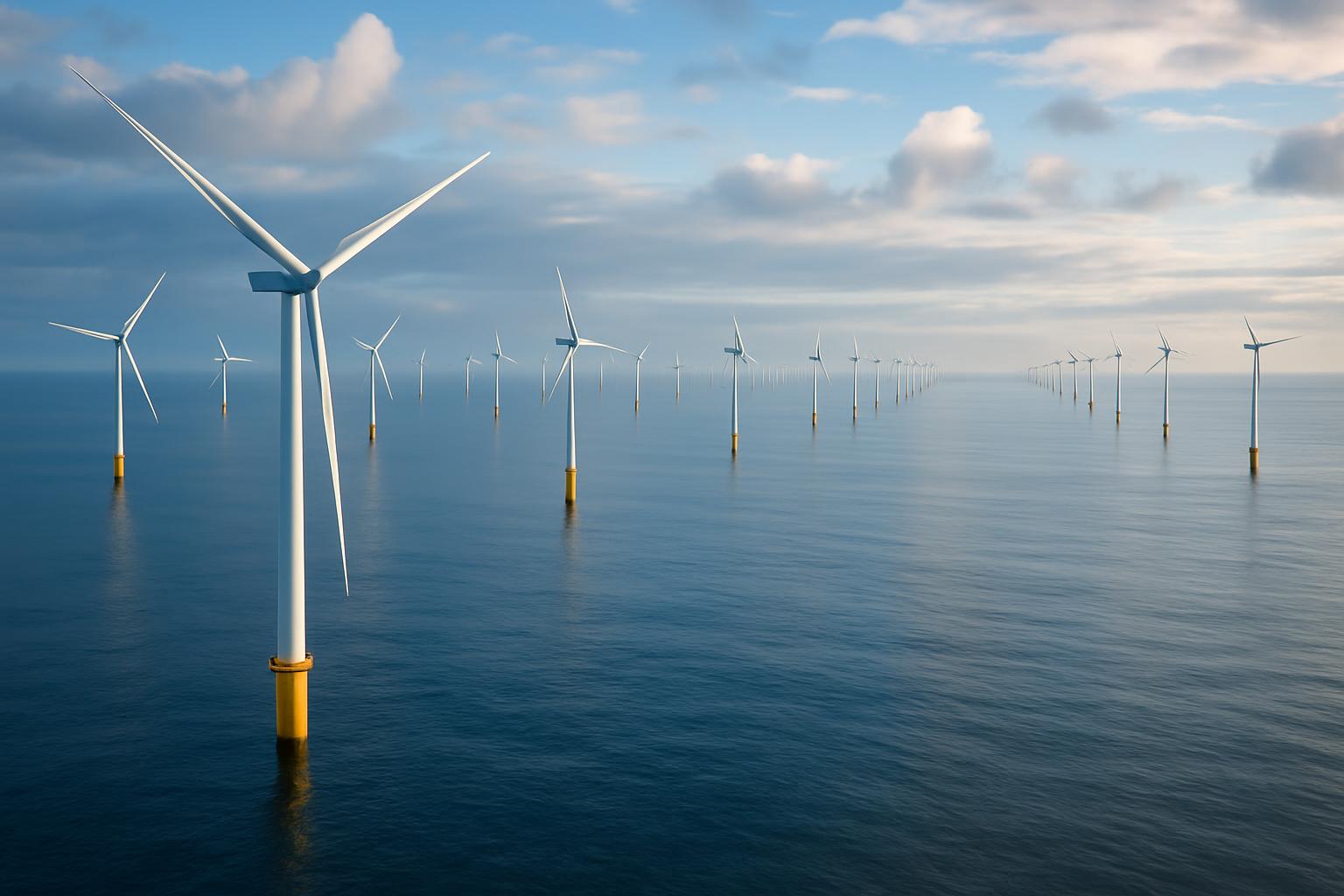
The figures cover the period from 21 May to 3 June, during which offshore wind output averaged 11.4 GW — the equivalent of meeting around a third of national demand on its own. Solar generation contributed strongly through the middle of the day, while interconnector imports from France and Norway helped balance evening peaks.
Gas generation reached its lowest sustained level since interconnector flows were first reported separately in 2019, with several large CCGT units cycled off for multiple days. Coal — already retired from the system — is no longer present in the generation mix.
Why this matters
The 14-day run is not a "100% renewable" moment of the kind reported in shorter windows previously. It is a structural one. It shows that Britain's grid can rely on wind and solar as the majority of daily generation across a sustained period, with the gas fleet running primarily for system stability and occasional ramping rather than as the baseload provider.
This shift has been visible in wholesale prices, which dipped to single-digit-pence-per-kWh levels for parts of several days. Negative pricing intervals were recorded during the early hours of a windy May Bank Holiday weekend, prompting the usual call for faster build-out of long-duration storage.
What comes next
- Two further offshore wind farms — at Dogger Bank and East Anglia — begin phased commissioning later this year, adding around 2.4 GW of installed capacity.
- Two large battery storage projects in Yorkshire and Lincolnshire will move to full operation by Q4.
- The Government's clean power 2030 target remains on track, according to the most recent independent assessment from the Climate Change Committee.
National Grid ESO chief executive Fintan Slye said the milestone "shows what's possible when the wind blows and the policy framework holds steady", but cautioned that delivering it consistently in winter — when demand is far higher and solar generation falls away — remained the hard part of the transition.